





Ivermectin in 2026: Uses, Safety, and What Doctors Actually Recommend
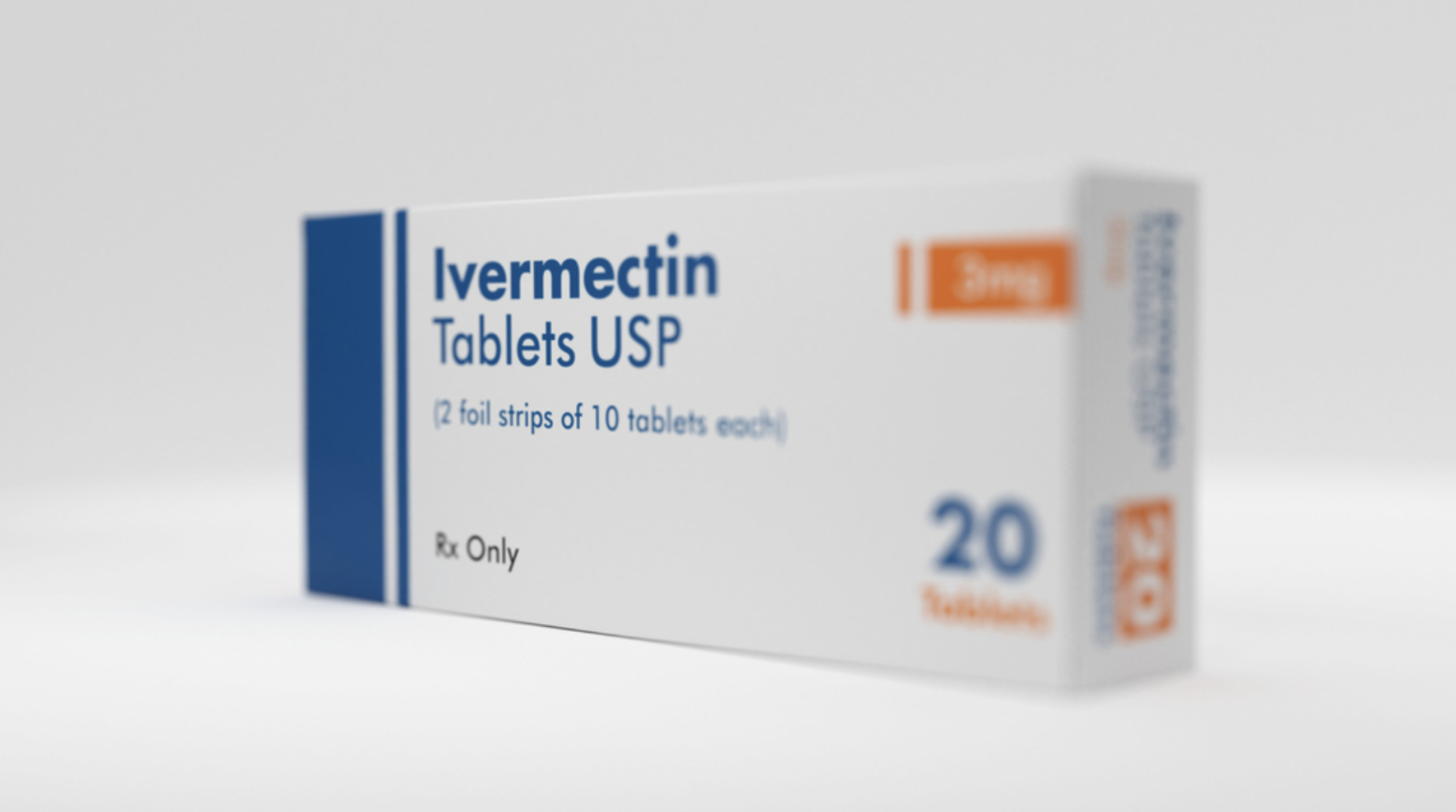
Ivermectin is a prescription antiparasitic medication with well-established ivermectin uses and safety guidelines in human medicine. In 2026, doctors continue to prescribe ivermectin for specific parasitic infections where clinical evidence supports its effectiveness. This guide explains ivermectin uses in humans, correct dosage for adults, known side effects, and what medical professionals actually recommend—based on approved indications and safety data.
What Is Ivermectin?
Ivermectin is an antiparasitic drug used in human medicine to treat infections caused by certain parasites. Unlike antibiotics, it does not work against bacteria, and it is not an antiviral drug. Understanding approved ivermectin medical uses is essential for safe treatment.
Approved Medical Uses of Ivermectin in Humans
Doctors prescribe ivermectin only for medically approved conditions. The most common ivermectin uses in humans include:
- Strongyloidiasis (intestinal roundworm infection)
- Onchocerciasis (river blindness)
- Scabies (in moderate to severe cases)
- Head lice (when other treatments fail)
Using ivermectin outside these approved uses increases safety risks and is not recommended without medical supervision.
How Ivermectin Works in the Human Body
Ivermectin works by disrupting nerve and muscle function in parasites. This mechanism explains why ivermectin is effective for parasitic infections but ineffective for viral or bacterial illnesses. This targeted action contributes to overall ivermectin safety when used correctly.
Ivermectin Dosage for Adults
Ivermectin dosage for adults is based on body weight and the condition being treated. Doctors calculate the dose carefully to maximize effectiveness while minimizing side effects.
| Condition | Typical Adult Dosage |
|---|---|
| Strongyloidiasis | Single oral dose based on body weight |
| Scabies | One dose, may repeat after 7–14 days |
Taking higher or more frequent doses does not improve results and increases safety concerns.
Ivermectin Side Effects and Safety Warnings
Like all medications, ivermectin may cause side effects. Most are mild and temporary when prescribed correctly.
Common Ivermectin Side Effects
- Nausea
- Dizziness
- Fatigue
- Mild skin rash
Important Safety Warnings
- Allergic reactions (rare)
- Low blood pressure
- Neurological symptoms in overdose situations
Patients often ask, “Is ivermectin safe for humans?” When used at approved doses under medical guidance, ivermectin has a strong safety record.
Drug Interactions and Contraindications
Some medications may interact with ivermectin and increase side effects. Inform your doctor if you take:
- Anti-seizure medications
- Sedatives or sleeping pills
- Alcohol (may worsen dizziness)
Ivermectin Myths vs Medical Facts
Misunderstanding ivermectin has led to unsafe use. Doctors emphasize evidence-based facts regarding ivermectin uses and safety.
-
Myth: Ivermectin treats viral infections
Fact: Ivermectin is not approved for viruses -
Myth: Higher doses are safer
Fact: Higher doses increase side effects
Who Should Avoid Ivermectin?
Ivermectin may not be suitable for everyone. Use caution if you are:
- Pregnant or breastfeeding
- Living with severe liver disease
- Allergic to ivermectin or similar drugs
Final Medical Summary
In 2026, ivermectin remains a valuable medication when prescribed for approved conditions. Understanding ivermectin uses and safety, correct dosage for adults, and potential side effects helps patients avoid misuse and benefit from evidence-based medical care.
How Long Does Ivermectin Take to Work?
Ivermectin Dosage Chart for Adults
Buy Doctor-Approved Ivermectin Online
Trusted quality, discreet shipping, and verified dosage options.
View Product